 The Roof
Honolulu, Hawaii 1984
At this time was there only one place on the island of Oahu that was expressly for the care of homeless people, the Institute for Human Services. While IHS was written on their door, we homeless knew them as the Peanut Butter Ministry, because often that was all that they had to offer. But I can tell you from experience, they were the best peanut butter sandwiches on this entire Earth.
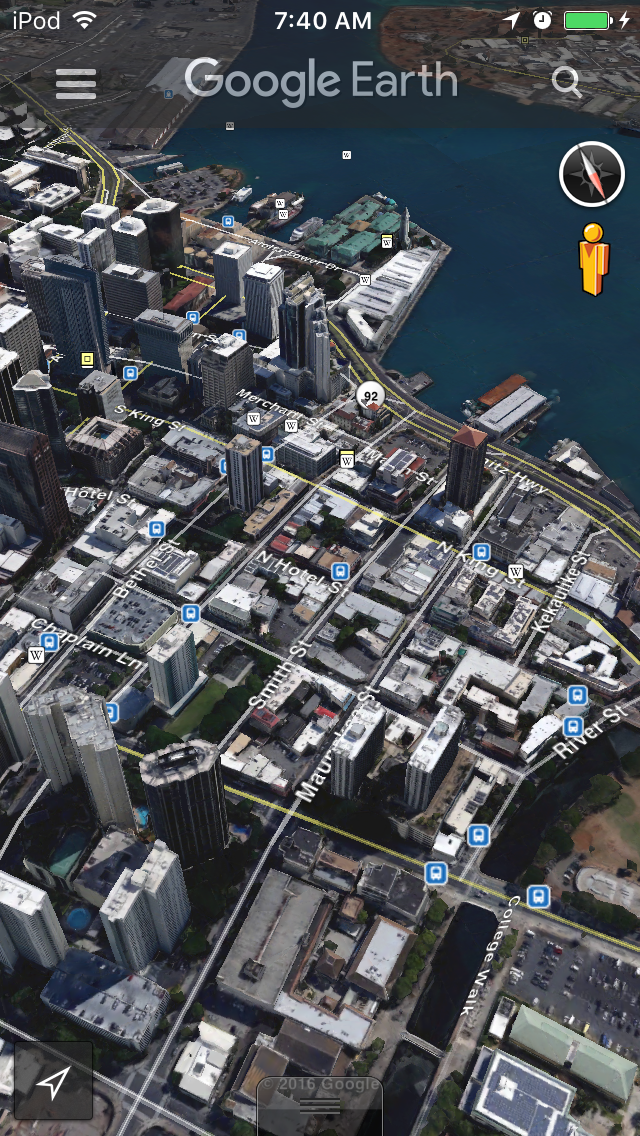
They had a two-story building in Chinatown, on the edge of Honolulu, where they fed people twice a day, once in the morning and again in the evening. After the last meal they would put the tables and chairs on one side of the main room and allow people to sleep on the floor for the night. While they only had room for elderly and families inside of the building, anyone who wished it could sleep on the top of this building.
About fifty people could fit on this flat roof, and it was first come, first serve, though there were a couple of cardboard structures that clearly showed that some people claimed real estate up here. It was almost dark and my friend and I found a clear space and actually feel asleep pretty fast.
This was Mike, a platonic friend who I traveled with, starting back in Texas. We both had experienced sexual abuse and felt scarred by it and we found comfort, as well as safety, in pretending to married. We had walked miles and slept in mosquito filled jungles for days and so we were grateful for this space. We fell asleep well fed and hopeful for a fresh day in paradise.
Then, it must have been after midnight, we woke to the sounds of arguing. The people who grow up in Hawaii have a very colorful way of talking, and being new to the State, we did not understand right away just how serious the conversation was. We tried to go back to sleep.
Then we woke to yelling; clearly the argument was escalating. Now we could tell that the man who was yelling the loudest was called Kila. We had seen him before, true blood Hawaii and immensely large; he could have been a sumo wrestler. I never did know who he was yelling at, but it was clear that Kila blamed him for something. They were both obviously drunk, repeating words and cussing more than talking. Otherwise, no one else was stirring.
We considered leaving, maybe finding somewhere more quiet, but we were in what was probably the roughest part of Honolulu, in the middle of the night. Worse, we were that terrible combination of United States Caucasian and freshly arrived. We turned over and tried to go back to sleep. To our surprise, the argument seemed to slow down, and then, gratefully, end altogether. We fell asleep.
We were not the only people on the roof that night who jumped up, straight onto their feet, at the same moment. It was about ten seconds after we heard the man beg for his life and then hit the cement sidewalk below as Kila threw him off the ledge.
I never knew what happened to the man; the building was only two stories, but he had hit so hard, and he did not make another sound. I never saw him again, though Kila was around as usual. Moving in the dark, at least a dozen of us said nothing but quietly grabbed our belongings and left the building, some of us banding together on the nearest pier to wait for daylight, none of us able to sleep now. It was during this time that I learned a little more about Kila, and how he was alternately drug addled or in prison. And also that Kila was the Hawaiian pronunciation of the word, Killer.
Never again did I attempt to sleep at this shelter, but instead went back to the jungles and those mosquitoes.

 I Don't Expect You To Believe Me